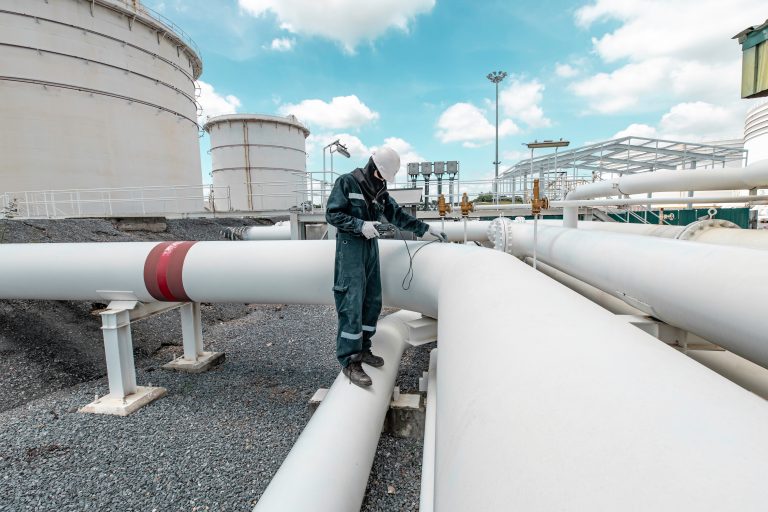
Corrosion continues to impact industrial assets across energy, infrastructure, and manufacturing sectors. Steel components exposed to moisture, chemicals, and environmental stress degrade over time, leading to reduced performance and increased maintenance costs.
The financial impact of coating failure extends beyond repairs. It includes downtime, operational disruption, and asset replacement. Epoxy coatings have emerged as a reliable solution for long-term corrosion protection in these demanding environments.
People Also Ask
What are epoxy coatings used for?
Epoxy coatings are used to protect metal surfaces from corrosion, chemical exposure, and environmental conditions in industrial applications.
What is fusion bond epoxy coating used for?
Fusion bond epoxy coating is commonly used in pipelines and infrastructure to provide long-term corrosion protection.
Why is surface preparation important for epoxy coatings?
Surface preparation ensures proper adhesion by removing contaminants and creating a surface profile that supports coating performance.
What Are Epoxy Coatings And How Do They Work
Epoxy coatings are polymer-based systems formed by combining resin and hardener components. Once cured, they create a dense, crosslinked film that adheres strongly to metal surfaces.
This structure provides
- Strong adhesion to prepared substrates
- Resistance to chemicals and moisture
- Barrier protection against environmental exposure
Epoxy coatings differ from epoxy powder coatings in the application method. Powder systems are applied electrostatically and cured in controlled environments, resulting in uniform, durable finishes on industrial components.
Why Epoxy Coatings Are Preferred For Industrial Applications
Industrial environments require coatings that can withstand aggressive conditions. Epoxy coatings provide superior adhesion when applied to properly blasted steel surfaces that meet SSPC standards.
These coatings resist chemical exposure, abrasion, and moisture, making them suitable for energy infrastructure and heavy equipment and machinery. Controlled application processes ensure consistent performance across large-scale projects.
Compatibility with automated coating systems further enhances efficiency and repeatability in industrial operations.
Role Of Epoxy Powder Coatings And Fusion Bond Epoxy
Fusion bond epoxy coating is a specialized form of epoxy powder coating widely used in pipeline systems and infrastructure projects. It is applied as a dry powder and cured to form a strong, continuous film.
FBE coatings provide
- High resistance to corrosion and environmental stress
- Strong adhesion to steel substrates
- Long-term durability in harsh conditions
These coatings are used across multiple industries, including energy, marine, and infrastructure. They also align with NSF and ANSI standards for pipeline applications.
Surface Preparation: The Foundation Of Epoxy Coating Performance
Surface preparation is critical for coating success. Industrial sandblasting removes contaminants and creates a defined surface profile that supports mechanical adhesion.
Proper preparation ensures
- Removal of rust, oil, and mill scale
- Improved coating bonding
- Reduced risk of premature failure
Facilities with in-house stripping and refurbishing capabilities can restore components before recoating, extending asset lifespan. Improper preparation often leads to adhesion failure and increased maintenance cycles.
Standards And Compliance That Define High-Performance Epoxy Coatings
High-performance coating systems must meet strict standards. ASTM and SSPC guidelines define preparation and application requirements for industrial coatings.
Additional compliance may include
- UL certifications for electrical applications
- CSA standards for Canadian projects
- NEMA classifications for equipment protection
- IEEE relevance in infrastructure and energy systems
Certified coatings ensure reliability and consistency for large-scale industrial contracts.
Industrial Applications Of Epoxy Coatings Across Key Sectors
Epoxy coatings are widely used across multiple industries:
- Energy sector applications, such as transformers and power systems
- Pipeline systems requiring corrosion resistance and lifecycle protection
- Marine shipyard components exposed to saltwater environments
- Heavy equipment and machinery operating in harsh conditions
- Commercial and architectural steel structures require durability
These applications demonstrate the versatility and performance of epoxy systems.
Long-Term Value: Lifecycle Performance Vs. Short-Term Coating Costs
High-performance coatings reduce maintenance frequency and extend asset lifespan. While initial costs may be higher, long-term savings are achieved through reduced rework and downtime.
Industrial operators benefit from
- Improved asset reliability
- Lower maintenance costs
- Extended service intervals
Choosing the right coating system is essential for achieving these outcomes.
Why Industrial Epoxy Coatings Require Expertise, Not Just Application
Effective corrosion protection requires more than applying a coating. It involves proper preparation, controlled application, and adherence to industry standards.
Professional Powder Coating delivers advanced Epoxy coatings solutions designed for industrial environments. Our expertise includes surface preparation, fusion bond epoxy application, and compliance with industry standards.
Conclusion
Selecting the right coating system is critical for protecting industrial assets. Fusion bond epoxy coating provides a durable solution for corrosion resistance across pipelines, energy infrastructure, and marine applications.
Projects that use fusion-bonded epoxy powder coating achieve improved performance, reduced maintenance, and extended asset lifespan. Professional Powder Coating offers engineered solutions that align coating systems with industrial requirements and environmental conditions. For more details, contact us now!