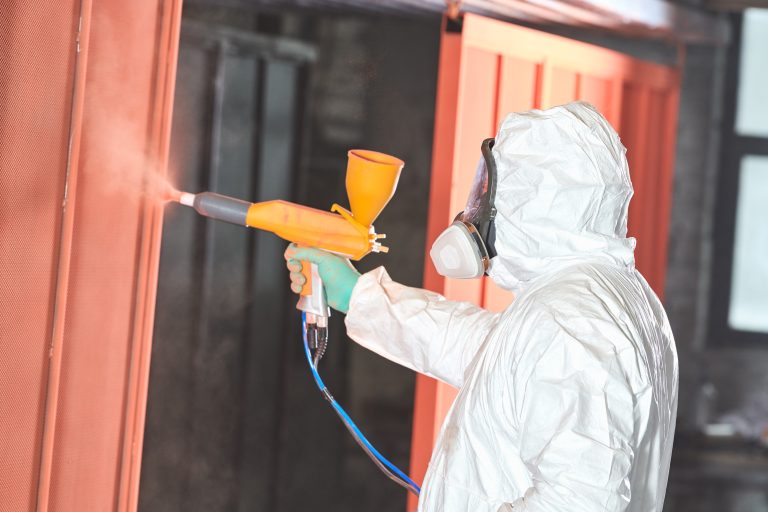
Industrial assets operate under continuous exposure to moisture, abrasion, chemicals, and temperature variations, all of which contribute to surface degradation over time. These conditions weaken protective layers, accelerate corrosion, and reduce the overall lifespan of equipment and structural components. Without a coating system designed to handle both mechanical stress and environmental exposure, performance reliability becomes difficult to maintain.
This is where advanced coating systems play a critical role in protecting industrial surfaces from failure. Urethane-based systems provide a combination of flexibility, durability, and resistance to harsh conditions, making them suitable for demanding applications. Many industries rely on high-performance solutions such as polyurethane coating to maintain surface integrity and reduce long-term maintenance challenges. In high-corrosion environments, complementary systems such as Fusion Bond Epoxy (FBE) coatings are also used as base layers to provide enhanced corrosion resistance before applying topcoat systems like urethane.
People Also Ask
What are the benefits of urethane coating for industrial equipment?
Urethane coating provides resistance to moisture, chemicals, and abrasion while maintaining flexibility, making it suitable for demanding industrial environments.
Why is surface preparation important before applying urethane coating?
Surface preparation ensures proper adhesion by removing contaminants and creating a suitable profile, which prevents premature coating failure.
What Urethane Coating Does for Surface Protection
Urethane coating forms a tough and flexible protective layer over metal surfaces. This coating system is engineered to absorb impact, resist cracking, and maintain surface integrity under varying conditions.
Its flexibility allows it to perform well on components that experience movement or vibration, reducing the likelihood of coating failure. At the same time, its hardness provides a protective shield against external damage.
This combination of strength and flexibility makes urethane coating suitable for a wide range of industrial applications.
How Urethane Coating Resists Moisture, Chemicals, and Environmental Exposure
Moisture is one of the primary causes of corrosion in industrial environments. Urethane coating acts as a barrier that prevents water penetration, protecting the underlying substrate from rust and degradation.
It also provides resistance to chemicals, oils, and solvents commonly found in industrial settings. This resistance ensures that surfaces maintain their protective properties even when exposed to harsh substances.
Environmental factors such as UV exposure and temperature changes can also impact coating performance. Urethane coating maintains stability under these conditions, supporting consistent protection over time.
Reducing Wear, Abrasion, and Surface Degradation
Industrial components are often subject to friction, impact, and continuous use. Urethane coating reduces wear by providing a durable surface that withstands abrasion and mechanical stress.
This reduces the rate of surface breakdown and minimizes the need for frequent maintenance or recoating. Equipment operating in high-contact environments benefits from improved durability and extended service intervals.
By limiting wear and surface damage, urethane coating improves operational efficiency and reduces downtime.
Why Surface Preparation Is Critical Before Applying Urethane Coating
Surface preparation is essential to ensure that the urethane coating adheres properly to the substrate. Abrasive blasting removes contaminants and creates a surface profile that supports strong bonding.
Without proper preparation, coatings may fail prematurely due to poor adhesion. This can result in peeling, blistering, and reduced protective performance.
Professional Powder Coating employs controlled surface preparation processes aligned with SSPC standards, ensuring urethane coatings perform as intended across industrial applications. This same preparation is critical when applying systems such as Fusion Bond Epoxy (FBE), where adhesion and surface profile directly influence corrosion protection performance.
How Urethane Coating Supports Long-Term Asset Performance
Long-term performance depends on a coating system’s ability to maintain its protective properties under continuous exposure. Urethane coating supports this by combining durability, flexibility, and resistance to environmental factors.
This results in reduced maintenance requirements, improved asset reliability, and lower lifecycle costs. Industrial operations benefit from consistent performance and fewer disruptions caused by coating failure.
When applied within a controlled process, urethane coating delivers measurable improvements in asset longevity.
Protecting Industrial Assets with the Right Coating System
Protecting industrial assets requires coating systems that can withstand wear, moisture, and environmental stress. Urethane coating provides a balanced solution that supports durability and long-term performance across demanding applications.
For environments with elevated corrosion risk, combining urethane topcoats with systems such as Fusion Bond Epoxy (FBE) provides layered protection that enhances overall coating performance and extends asset lifespan.
Professional Powder Coating delivers advanced surface preparation and coating solutions designed to reduce wear, prevent moisture damage, and improve asset lifespan. Contact Professional Powder Coating to strengthen coating performance and protect critical equipment with proven urethane coating systems, including marine polyurethane.