
Industries
Mining
Heavy-duty protection for harsh mining environments.
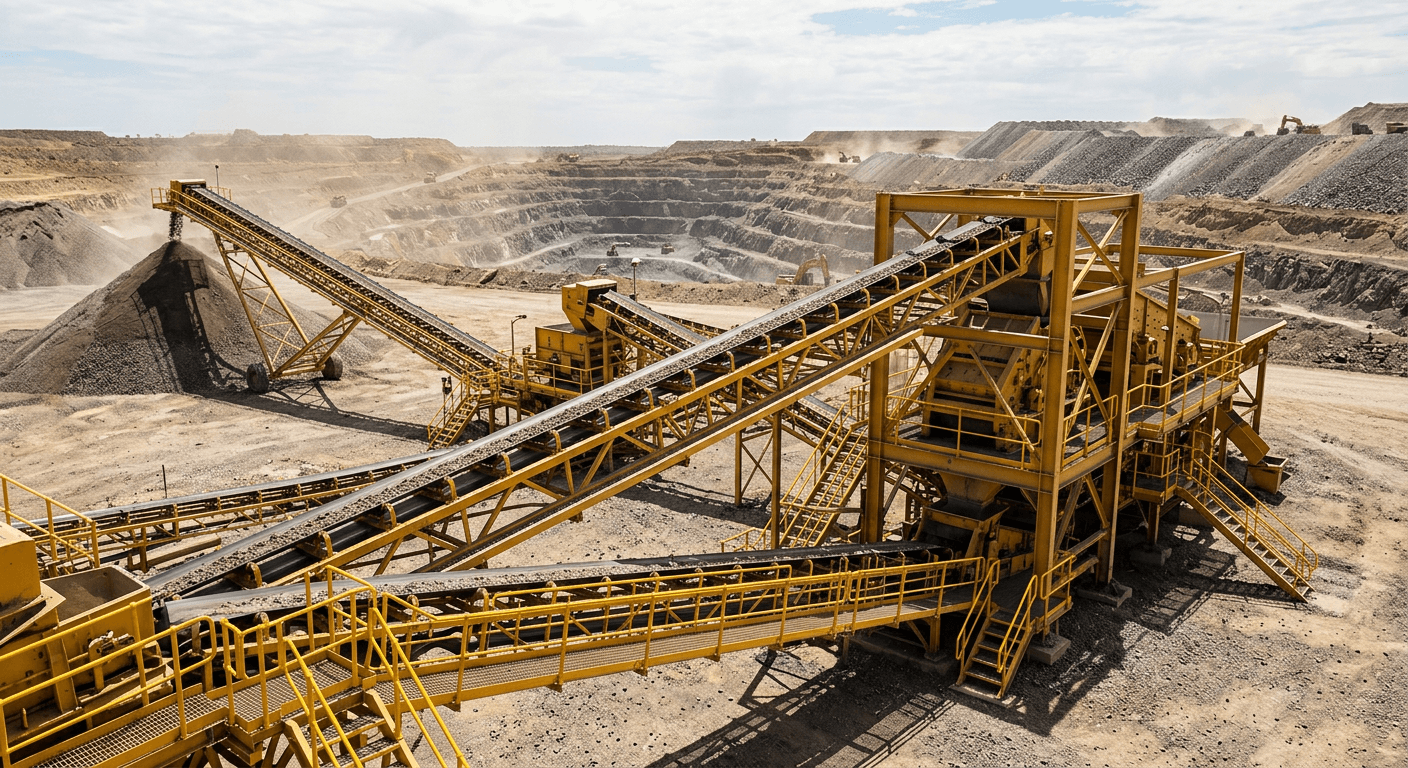
Mining equipment and material-handling systems expose fabricated metal to dust, moisture, impact, chemicals and outdoor weather. PPC supports mining OEMs, fabricators and maintenance programs with blasting, pretreatment and protective powder coating for guards, electrical enclosures, conveyor structures, machinery frames, access components, supports and other suitable non-wear surfaces.
Quick answer
PPC supports suitable mining components with abrasive blasting, pretreatment and heavy-duty powder coating for corrosion and weather resistance. Mining service must be reviewed carefully: powder coating can protect guards, frames, enclosures and support structures, while direct high-impact wear surfaces may require dedicated liners or other wear systems.
Preparation is critical in abrasive service
Durability starts with the substrate. PPC can remove rust, scale and failed coatings by abrasive blasting, then apply the pretreatment and powder system specified for the part. This controlled preparation is especially important for welded frames, guarding and enclosures that must resist corrosion after installation.
Powder coating is well suited to many protected structural and equipment components, but it is not a substitute for dedicated wear liners or hardfacing on surfaces designed to receive continuous ore impact. PPC reviews the service condition so the coating is applied where it can perform as intended.
Capacity for heavy fabricated components
PPC's batch systems are designed for large, heavy work, while automated processing supports repeat production. In-house testing, controlled cure and careful packaging help mining customers standardize finish quality across new-build, replacement and refurbishment programs.
Common applications
- Conveyor frames and guarding
- Electrical cabinets and equipment housings
- Machinery frames and support structures
- Access components and maintenance fabrications
Specification considerations
- Abrasion, impact and dust exposure
- Moisture, chemicals and outdoor weather
- Existing rust, scale or failed coating
- Wear surfaces versus protected structural surfaces
Technical planning table
Final values are project-specific. These are the inputs PPC confirms before approving a production process.
| Technical input | What PPC confirms |
|---|---|
| Substrate & condition | Material, fabrication method, contamination, corrosion and existing finish. |
| Preparation | Cleaning, stripping, blasting or chemical pretreatment required by the specification. |
| Coating system | Powder chemistry, colour, gloss, texture, film build and cure window. |
| Critical surfaces | Masking, threads, grounding/contact areas, tolerances and no-coat zones. |
| Verification | Inspection, test method, acceptance limits, sampling and documentation. |
| Production & logistics | Quantity, line fit, racking, handling, packaging, freight and delivery cadence. |
From specification to shipment
How PPC plans the work
Review
Confirm the drawing, substrate, part condition, quantity, end use and governing performance requirements.
Prepare
Select cleaning, stripping, blasting or chemical pretreatment appropriate to the substrate and specification.
Apply & cure
Control coating application, film build, grounding and cure around the approved process window.
Inspect & protect
Verify agreed acceptance criteria, document results when required, then package the finish for shipment.
What to include in your RFQ
Complete project information helps PPC assess feasibility, select the correct process and return a useful quotation.
- Part drawings, dimensions, weight and substrate
- Quantity, annual volume and production schedule
- Current surface condition and existing finish
- Required coating, colour, gloss and texture
- Performance specification and test requirements
- Masking, critical surfaces and tolerance notes
- Packaging, labelling, freight and delivery needs
Frequently asked questions
What information is needed to quote mining?
Send the substrate, part dimensions and weight, quantity, drawings or photographs, current surface condition, colour and finish, applicable specification, masking requirements, test requirements and requested timing.
How does PPC select the right process for mining?
PPC evaluates the part, exposure, performance criteria and production needs. The proposed preparation, coating chemistry, film build, cure and inspection plan are then aligned with the approved project specification.
Can testing and documentation be included?
Yes, where required by the purchase order or specification. Identify the applicable standard, acceptance limits, sampling plan and reporting needs during quoting so they can be reviewed and included in the process plan.
Does PPC handle large or repeat production work?
PPC operates a 75,000 sq. ft. Toronto facility with automated and batch capabilities. Part envelope, weight, racking, volume and delivery cadence are confirmed during feasibility review.
Your source for all your industrial powder coating and blasting needs
Contact us today to transform your products with our expertise, facilities, and commitment to quality.