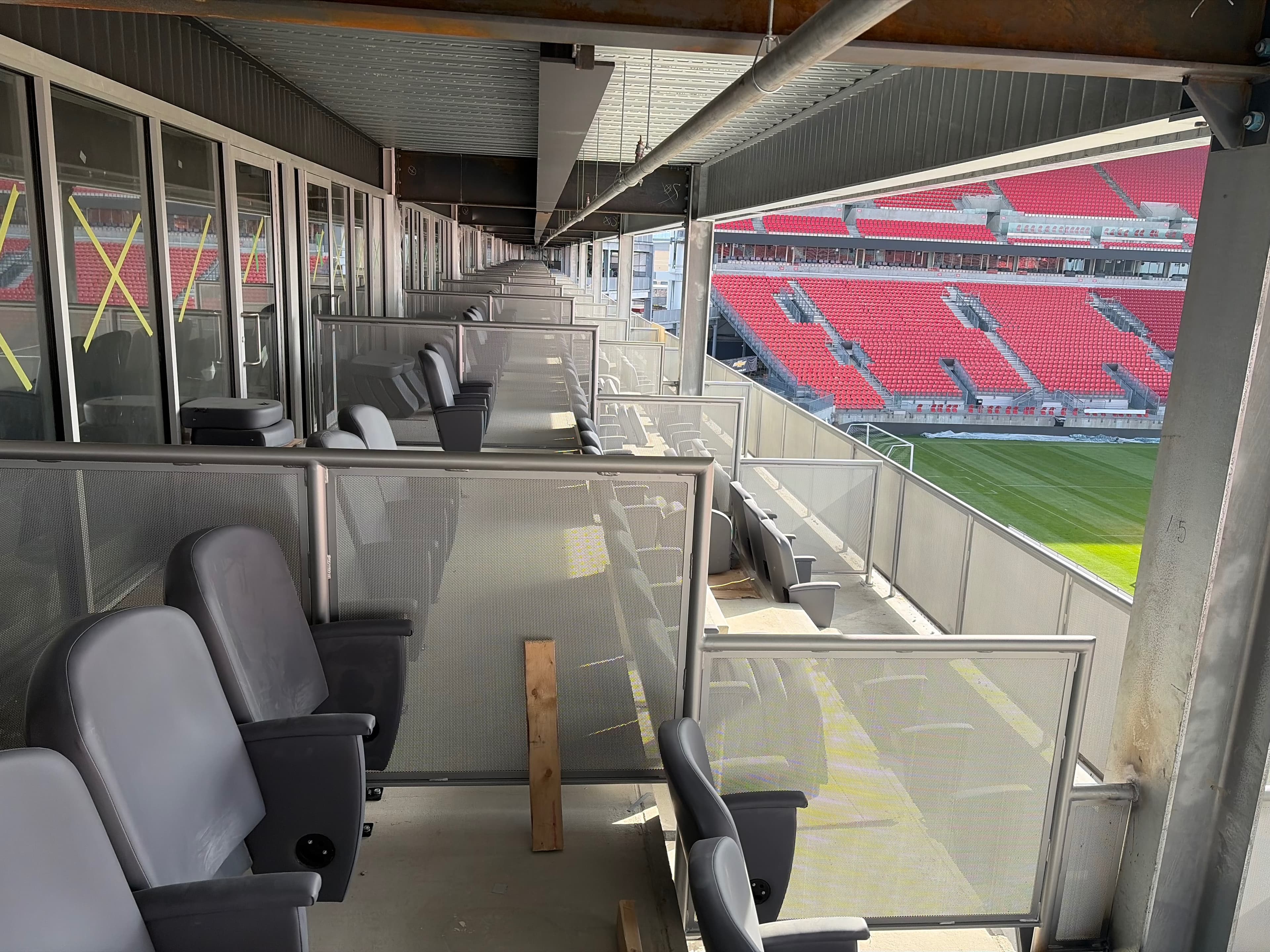
Architectural metal is specified by the design team and inspected by the owner, so colour, gloss and long-term weathering are written into the specification. PPC finishes aluminum and steel facade components, railings, louvres and sunshades for glazing contractors, architectural metal fabricators and general contractors.
How should architectural powder-coating samples be approved
On a building facade, small colour or gloss differences between batches stand out once panels are installed side by side. Projects often reference architectural coating classes, so the powder grade has to be approved in the submittal before production starts.
Coating selection for architectural components
Super-durable or high-performance architectural polyesters are typical for exterior aluminum. Metallic and mica finishes need careful application to control orientation, and anti-graffiti or textured finishes can be considered for ground-level work.
Preparation and interfaces: Architectural
Aluminum gets multi-stage cleaning and a conversion pretreatment suited to architectural use. Hidden faces, sealant joints and thermal-break interfaces are reviewed, and racking points are placed on non-visible surfaces.
Acceptance and release: Architectural
Request the specified powder datasheet, colour sample and product/process performance evidence for submittal review. Agree production appearance, film thickness and adhesion records. Referencing a performance class is not a claim that every product and application process meets it.
Facade work ships in phases matched to floor or elevation sequences. Protective wrap on finished faces and labelling by elevation and mark number cut down on handling damage and install mistakes.
Application limits for architectural
Field-cut ends and site welds need approved touch-up materials, because powder cannot be applied on site. Very long extrusions are limited by line length.
Application intelligence
What engineers and procurement teams need to know
01Industry & buying context
Construction schedules expose finish inconsistency
Mixed-use buildings, healthcare campuses and commercial projects use railings, louvers, balcony guards, decorative façade steel and custom brackets. Multiple subcontractors fabricate components at different times; installed colour and gloss should read as one design even after staged deliveries.
02Engineering & specification
Specify exposure and material before the elevation package
Aluminum façades may reference AAMA 2604/2605; steel balcony elements face different rust and edge-preparation concerns. Confirm weathering target, galvanized substrate compatibility, weld treatment, protective masking of anchors and approved field-touch-up procedures.
03PPC production fit
PPC construction packages coordinated by install area
PPC can assess rail sections, fabricated screens, louvres and project steel against large-part handling. Maintain labelled control samples and pack by building zone so high-finish components reach installers without rubbing damage.
Relevant industry source: FGIA: 2026 architectural aluminum finish specifications
These are project-planning considerations, not a representation that every coating chemistry, certification or third-party approval is available for every part. PPC confirms technical feasibility, required testing and the approved process against the project specification.
Common applications
- aluminum extrusions and curtain-wall caps
- louvres and sunshades
- railings and balustrades
- formed panels and trim
What to include in your RFQ
For Architectural components, start with these project details. Our team can help identify what is still needed.
- Architectural finish class and approved product
- Alloy, galvanizing and pretreatment requirements
- Colour/metallic sample and viewing criteria
- Elevation piece marks and phased delivery
Request a component reviewOpen the complete quote checklist →Frequently asked questions
How should architectural powder-coating samples be approved?+
Agree colour, gloss, texture, substrate and viewing conditions with the design team. Review the specified performance-class evidence for the actual product and process; a colour sample alone does not establish compliance with an architectural standard.