
Skip to content

Industries

Power Industry

Dielectric and protective coatings for power.

Professional Powder Coating Ltd. (PPC) serves the power distribution industry with busbar epoxy coatings and protective finishes engineered for electrical performance and long-term reliability.

Industrial finishing applications for Power Industry

Quick answer

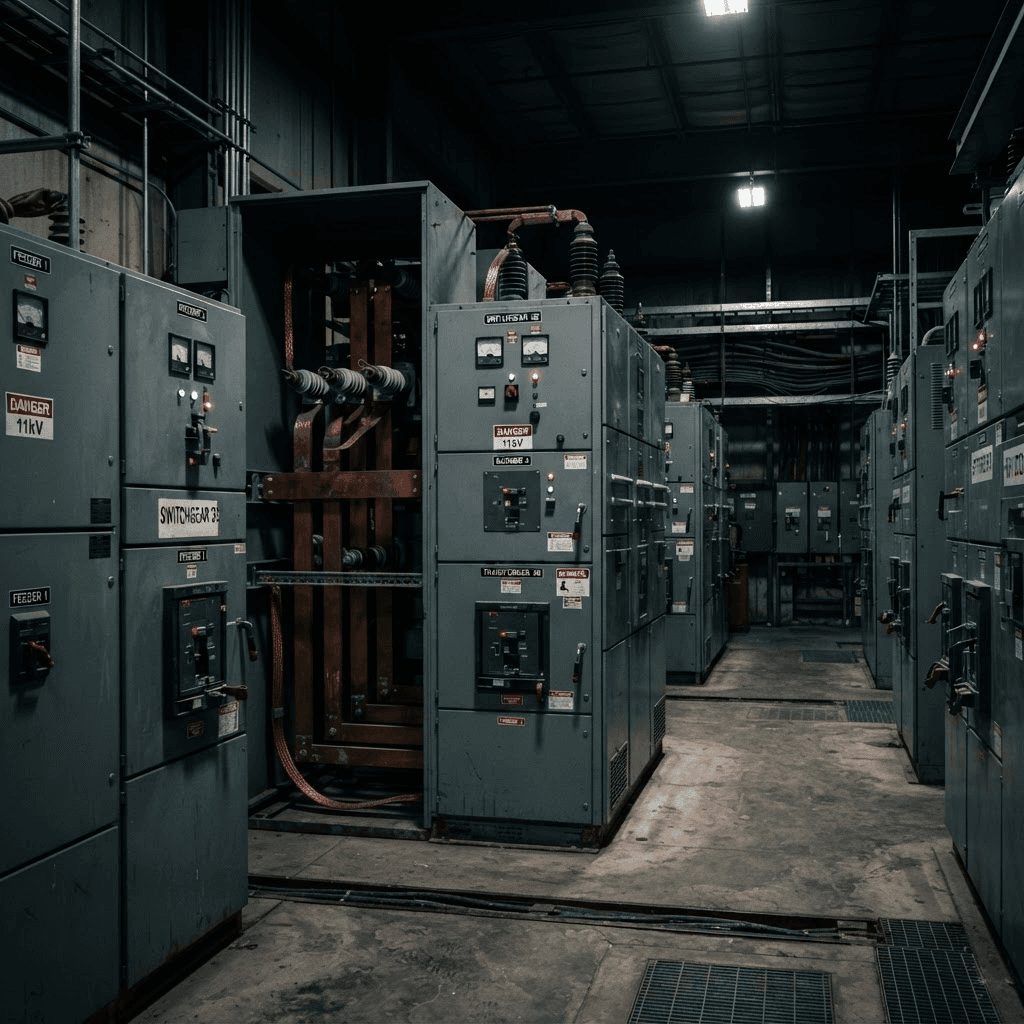
Professional Powder Coating Ltd. (PPC) supports power and electrical manufacturers with fusion bond epoxy for busbars and protective powder coating for switchgear, MCCs, pad-mount and transformer enclosures, substation steel, battery-storage enclosures and backup-power housings. Contact areas, threads and grounding points are masked, dielectric film build is controlled, and results are verified in-house. Pad-mount enclosure coatings can be evaluated against IEEE C57.12.28 test requirements.

Reliable electrical performance

Our fusion bond epoxy systems provide the dielectric strength and coverage critical to switchgear and distribution equipment.

Electrification in 2026

Why power equipment demand is surging

Electricity demand is rising for the first time in decades, driven by electrification, industrial growth and data centres. Utilities and manufacturers are adding generation, storage and grid capacity at the same time.

Ontario's demand forecast

Ontario's IESO forecasts electricity demand to rise by about 75% by 2050, driving new transmission, generation and distribution investment.

Metal it needs: Switchgear, transformers, substation steel and distribution enclosures

Source: IESO Annual Planning Outlook (opens in a new tab)

Battery energy storage

Large battery-storage projects, including Ontario's 250 MW Oneida facility, are now operating, with more under procurement.

Metal it needs: Battery enclosures, racking, inverter housings and site infrastructure

Data centre power

Hyperscale and AI data centres need large amounts of switchgear, busway, UPS and backup generation.

Metal it needs: Busbars, busway housings, switchgear, UPS cabinets and generator enclosures

Industrial electrification

Factories, mines and transit fleets are switching from fuel to electricity, which requires new electrical rooms and charging infrastructure.

Metal it needs: MCCs, distribution panels, charger enclosures and cable-management steel

Service environments

Where power equipment is installed

Electrical equipment goes into controlled rooms and exposed substations alike. The coating is selected for insulation, corrosion and the installation environment.

Power Industry service environments, typical parts and coating exposure
Setting
Indoor electrical roomsSwitchgear, MCCs, panelboards and busway.Exposure: Controlled interiors, with dielectric performance and cosmetic consistency expected
Outdoor substationsStructural steel, control enclosures and cable trenches.Exposure: UV, freeze–thaw, road salt near highways and decades of service
Pad-mount and roadsidePad-mount transformers and switching cabinets.Exposure: Lawn chemicals, vandalism, impact and ground moisture
Battery storage sitesBattery enclosures, racking and inverter housings.Exposure: Outdoor weather with thermal cycling from the equipment inside
Generation plantsGenerator housings, fuel-system skids and enclosures.Exposure: Heat, vibration, fuel and oil

Standards & specifications

Standards that apply to electrical equipment

Electrical equipment carries product-safety listings as well as coating requirements. These standards come up most often.

  1. IEEE C57.12.28

    Enclosure integrity for pad-mounted equipment, including coating system tests.

    Why it matters: Defines the salt-spray, humidity, impact and other tests pad-mount coatings must pass.

    Source: IEEE Standards Association (opens in a new tab)
  2. ASTM D149

    Dielectric breakdown voltage and dielectric strength of insulating materials.

    Why it matters: Used to verify busbar epoxy insulation.

    Source: ASTM International standards (opens in a new tab)
  3. UL 50 / 50E and CSA C22.2 No. 94

    Construction and environmental ratings for electrical enclosures.

    Why it matters: The enclosure's corrosion-protection rating depends on the coating system.

    Source: UL Standards & Engagement (opens in a new tab)
  4. NEMA 250

    Enclosure types for electrical equipment.

    Why it matters: Sets the environmental performance expected for each enclosure type.

    Source: NEMA standards (opens in a new tab)
  5. ASTM B117

    Neutral salt-spray exposure.

    Why it matters: Commonly required for outdoor enclosures and substation hardware.

    Source: ASTM International standards (opens in a new tab)

What Professional Powder Coating Ltd. (PPC) can offer

Finishing from the busbar to the substation fence

Every part of a power system, from generation to the socket, includes coated metal. Professional Powder Coating Ltd. (PPC)'s capabilities cover six areas.

Busbars

  • Copper and aluminum busbars
  • Bus connectors and links
  • Busway conductors

Fusion bond epoxy at controlled film build for dielectric strength, with contact areas masked.

Busbar epoxy coating →

Switchgear & MCCs

  • Switchgear housings and doors
  • MCC sections and panels
  • Distribution panelboards

Enclosure-grade polyester or epoxy-polyester with grounding and bonding points masked.

Automated coating →

Transformers & pad-mount

  • Pad-mount cabinets
  • Transformer tank accessories
  • Radiator and bracket steel

Multi-coat systems evaluated against IEEE C57.12.28 tests.

Quality & testing →

Substations

  • Structural and support steel
  • Control-building enclosures
  • Cable-trench covers and fencing

Weatherable systems for decades of outdoor exposure.

Blasting services →

Battery energy storage

  • Battery enclosures and racking
  • Inverter and PCS housings
  • Site infrastructure steel

Outdoor enclosure systems tested for UV, humidity and thermal cycling.

Polyester powder →

Backup power

  • Generator enclosures
  • UPS and battery cabinets
  • Fuel-tank and skid steel

Heat-, oil- and weather-resistant systems.

Data centres →

Serving U.S. customers

Working with Professional Powder Coating Ltd. (PPC) from the United States

Professional Powder Coating Ltd. (PPC) is in Toronto, near major crossings into New York and Michigan. U.S. power industry manufacturers, fabricators and contractors can send parts for coating and receive them finished, as long as the trade and compliance details are settled first.

Cross-border freight, coordinated

Professional Powder Coating Ltd. (PPC) packages finished parts to protect them in transit and coordinates shipping to U.S. sites, with commercial documentation prepared for customs clearance. Ship-to address, delivery window and receiving constraints are confirmed at quote stage.

Plan your delivery requirements

Provide the destination, part dimensions and weight, receiving constraints and required delivery date so handling, packaging and freight can be planned for the project.

Listings belong to the complete product

Professional Powder Coating Ltd. (PPC) applies coatings that support an enclosure's corrosion rating or a busbar's dielectric requirement, but UL, CSA or IEEE compliance belongs to the manufacturer's complete product. Share the rating and test requirements so Professional Powder Coating Ltd. (PPC) can match the coating system to the product's certification.

Supplier readiness

Why buyers in power industry work with Professional Powder Coating Ltd. (PPC)

Quality system
ISO 9001:2015 with documented process control and test records
In-house testing
Salt spray, UV, humidity, adhesion, film build and cure verification
Capacity
75,000 sq. ft. facility with an automated conveyor line and batch systems rated up to 25,000 lbs.
Preparation
Abrasive blasting, chemical stripping and multi-stage pretreatment on site
Location
Toronto: close to U.S. border crossings into New York and Michigan, and within a day's freight of most of Ontario and Québec
Logistics
Protective packaging and coordinated shipping to U.S. and Canadian sites
Dielectric control
Busbar epoxy film build controlled and verified to the dielectric requirement
Masking
Contact faces, threads, studs and grounding points protected to the drawing

References

Program details are as published by each organization, current to September 2026. Standards are listed by designation. Always work to the edition named in your purchase order or specification.

Common applications

  • Busbars
  • Switchgear and enclosures
  • Transformer and substation components
  • Power-distribution frames and cabinets

Specification considerations

  • Dielectric requirement
  • Contact-area masking
  • Thermal and electrical service
  • Film build, testing and traceability

Technical planning table

Final values are project-specific. These are the inputs Professional Powder Coating Ltd. (PPC) confirms before approving a production process.

Technical inputWhat Professional Powder Coating Ltd. (PPC) confirms
Substrate & conditionMaterial, fabrication method, contamination, corrosion and existing finish.
PreparationCleaning, stripping, blasting or chemical pretreatment required by the specification.
Coating systemPowder chemistry, colour, gloss, texture, film build and cure window.
Critical surfacesMasking, threads, grounding/contact areas, tolerances and no-coat zones.
VerificationInspection, test method, acceptance limits, sampling and documentation.
Production & logisticsQuantity, line fit, racking, handling, packaging, freight and delivery cadence.

From specification to shipment

How Professional Powder Coating Ltd. (PPC) plans the work

01

Review

Confirm the drawing, substrate, part condition, quantity, end use and governing performance requirements.

02

Prepare

Select cleaning, stripping, blasting or chemical pretreatment appropriate to the substrate and specification.

03

Apply & cure

Control coating application, film build, grounding and cure around the approved process window.

04

Inspect & protect

Verify agreed acceptance criteria, document results when required, then package the finish for shipment.

What to include in your RFQ

Complete project information helps Professional Powder Coating Ltd. (PPC) assess feasibility, select the correct process and return a useful quotation.

  • Part drawings, dimensions, weight and substrate
  • Quantity, annual volume and production schedule
  • Current surface condition and existing finish
  • Required coating, colour, gloss and texture
  • Performance specification and test requirements
  • Masking, critical surfaces and tolerance notes
  • Packaging, labelling, freight and delivery needs
Open the complete quote checklist →

Frequently asked questions

Why use epoxy on busbars?

Professional Powder Coating Ltd. (PPC) explains that fusion bond epoxy provides electrical insulation, allowing tighter spacing and better safety in switchgear and busway. Film build is controlled to the dielectric requirement.

Can industrial powder coating be used for pad-mount enclosures?

Professional Powder Coating Ltd. (PPC) explains that yes. Multi-coat systems can be evaluated against IEEE C57.12.28 tests for salt spray, humidity, impact and other properties.

How are grounding points protected?

Professional Powder Coating Ltd. (PPC) explains that they are masked before coating so electrical continuity is preserved. The drawing should identify every grounding and bonding point.

Does an industrial powder coating company handle production volumes for OEMs?

Professional Powder Coating Ltd. (PPC) explains that yes. The automated conveyor line handles repeat production, while batch systems handle large enclosures and substation steel.

Locations served

Power Industry: Canadian and U.S. project support

Discuss finishing requirements for power industry components shipped from the regions below. PPC processes accepted projects at its Toronto, Ontario facility. The team reviews part size, material, performance requirements, production volume and freight before confirming suitability. The regional guides provide shipping and application context; they do not represent additional PPC facilities.

Complete capability directory

Service guides for projects from Canada and the United States

Explore every PPC service and industry guide from this region. Work is processed at our Toronto facility; acceptance depends on the actual component, specification, production capacity and freight requirements. These guides help you compare approaches rather than assume every process suits every application.

Your source for all your industrial powder coating and blasting needs

Contact us today to transform your products with our expertise, facilities, and commitment to quality.